
The sinaharaja forest is only undisturbed rainforest left in srilanka. It is about 9000 hectares in extent. Many of the plants of are very rare. Over 60% of the tree species are the found only low land wet zone in sir lanka. If these species of trees are allowed to get destroyed, the world would lose them altogether. So it is important that much effort is made to conserve this rich, valuable and fragile habitat.
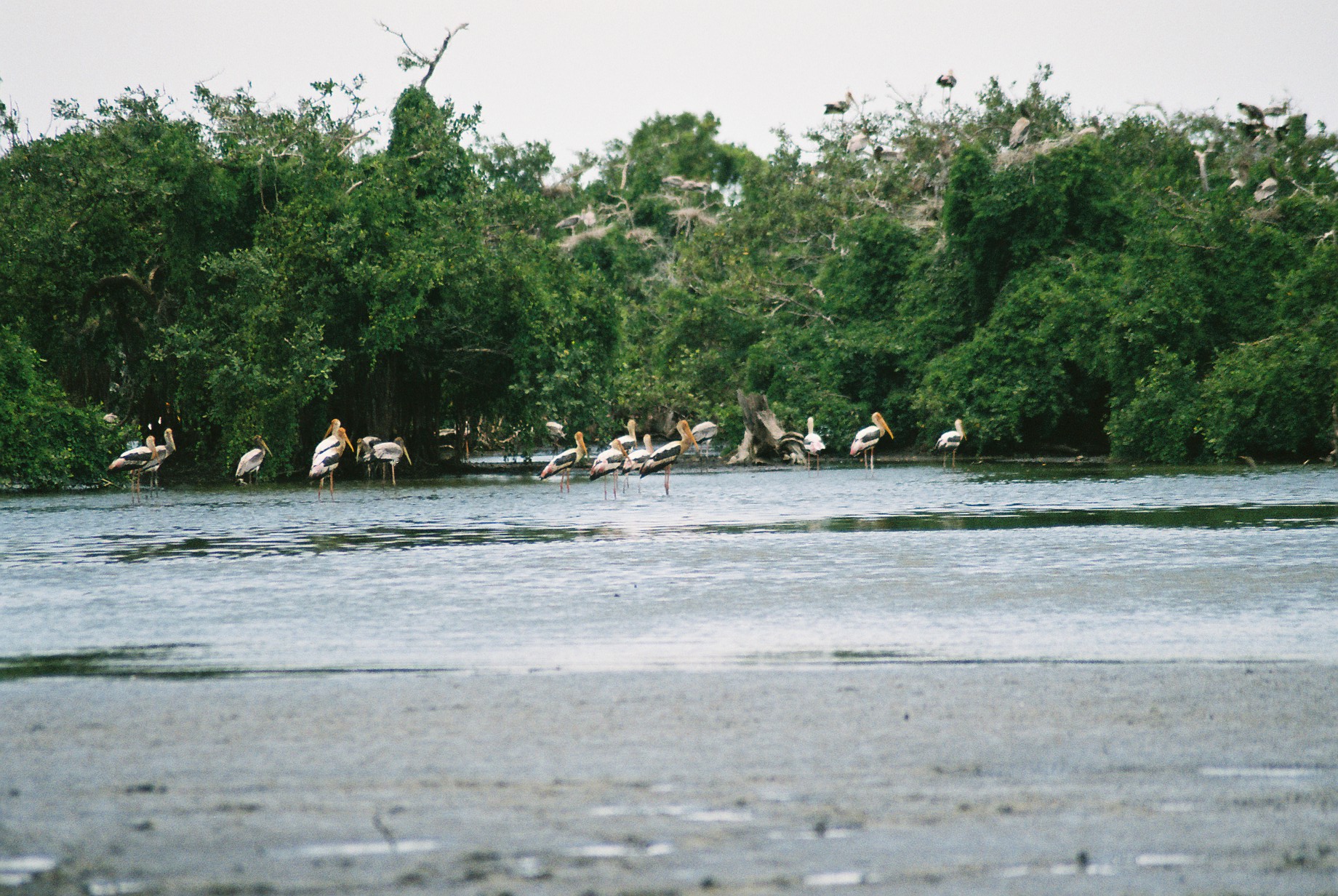
Sri Lanka's tropical rain forest, the Sinharaja is a UNESCO World Natural Heritage Site. One of the few virgin forests left in the world. Streams, springs, rivers, waterfalls, leopard, monkeys, butterflies and moths, rare trees, valuable shrubs and medicinal herbs are all found within its green canopy. A trek along prescribed paths would provide nature lovers with a never to be forgotten experience of sights and sounds.
The largest mammal in the Sinharaja Rain Forest is the rarely spotted leopard, also infrequently glimpsed are the rusty spotted and wild fishing cats. Sambhur, barking deer and wild boar browse on the forest floor. The more common troops of purple-faced langur monkeys will chatter and move through the trees above you, but you're more likely to hear them than actually see them. There are also rats, shrews, giant squirrels, porcupines, civets, mongooses, venomous snakes, 20 species of birds and 45 species of reptiles!.
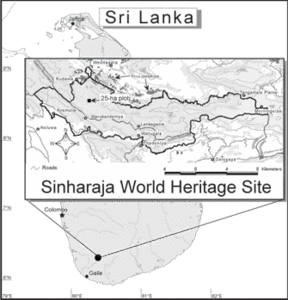
Management Costraints Of the many constraints to the protection of Sinharaja, socio-economic ones relating to the people and organisations in the immediate vicinity of the reserve are perhaps among the most important. Encroaching cultivations are probably the biggest problem, particularly along the southern boundary (McDermot, 1985). Contractors open up routes to facilitate logging operations and, although no felling is permitted within 1.6km of the reserve boundary, this may render the reserve more accessible to illicit timber operations. Planting of Honduran mahogany Swietenia macrophylla along abandoned logging trails as an enrichment species may lead to displacement of natural species, especially as it is a prolific seed producer (Zoysa and Raheem, 1987). Alleged malpractices by the State Timber Corporation are a source of concern for the Forest Department. Private land owners along the periphery perhaps make illegitimate use of timber resources within the reserve: having felled all merchantable timber on their own land, they continue to request permits for timber (Hathurusinghe, 1985). The most important forest produce is firewood, significant quantities of which are used in the production of jaggery (McDermot, 1985; Silva, 1985). The traditional use of minor forest products, most important of which are kitul for jaggery and wewal or cane for weaving baskets, is now restricted to forest surrounding the reserve. Illicit gem mining was considered to be a serious problem in eastern parts of the reserve. It is organised mostly by wealthy merchants from outside the Sinharaja region and needs to be stopped. The lack of a uniform land-use policy and the multiplicity of governmental and semi-governmental agencies involved in land-use planning in Sri Lanka are the major administrative constraints in evolving a suitable protection plan for Sinharaja. For the moment, transactions related to lands surrounding the reserve are suspended under presidential order until such time as the conservation plan for the reserve is ready for implementation
