
Mammals. Sri Lanka lacks the land area to support large animals. Although the fossils records of ancestral forms of rhinoceroses, hippopotamuses, and lions had found. Despite small number of species, this ecoregion is home to several near-endemic mammals, including one strict endemic species, Jungle Shrew.
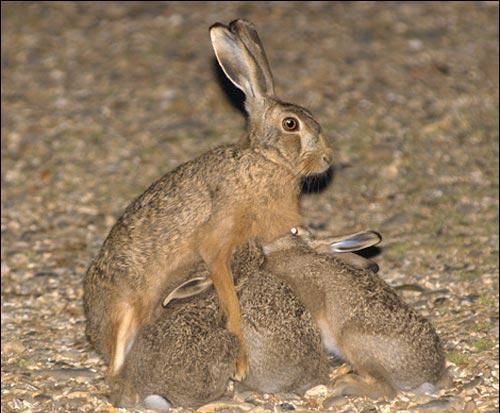
The two endemic shrews, Asian Highland Shrew, Jungle Shrew listed as vulnerable and endangered respectively. Sri Lanka Leopard, the largest carnivore of the island is identified as threatened. Asian elephants live in small numbers in these rain forests and listed as endangered. Unlike in dry-zone forests, where they live in large numbers this ecoregion's elephant population faced with habitat loss and fragmentation. Indian Hare, Fishing Cat and Rusty-spotted Cat are some of the other mammals dwell in this ecoregion.
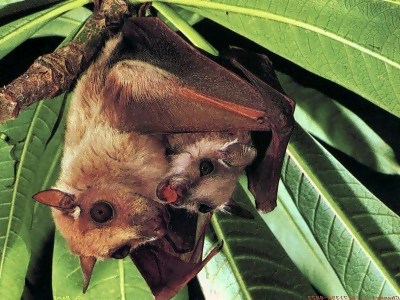
The near-endemic and strict endemic mammals harbors in the area listed below. Strict endemic species marked with an asterisk. Asian Highland ShrewJungle Shrew* Thailand Roundleaf Bat Purple-faced Langur Golden Palm Civet
| Birds
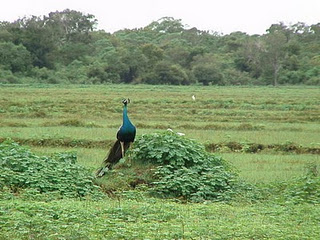
Ashy-headed Laughingthrush, Red-faced malkoha and Scaly thrush are the other threatened species The near-endemic and strict endemic birds harbors in the area listed below. Strict endemic species marked with an asterSri Lanka Wood-pigeon
Sri Lanka Grey Hornbill Kashmir
flycatcher
|
Reptiles,
fishes and amphibians
Sri Lanka's reptile fauna includes 204 species with 114 endemic
species. A further 17 taxa are endemic at subspecies level.

Mugger Crocodile and Spineless Forest Lizard are listed as endangered along with eight freshwater fish species. Sri Lanka has the highest density of amphibian species worldwide (3.9 species per 1000 square kilometers).
Many of these include 250 species of frogs belongs Rhacophoridae family. Many of these species have only limited range distributions, often less than 0.5 km2. These species also faced with habitat fragmentation and loss.
Leopards
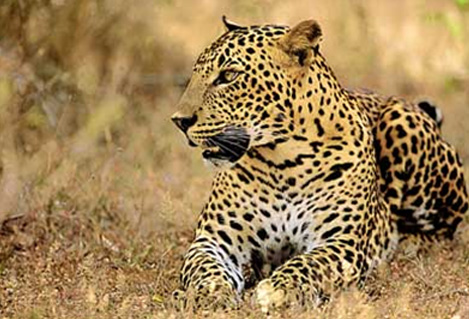
The Sri Lankan leopard is one of currently 8 recognised subspecies of leopard, the smallest of the 'big cats' Leopards have lithe, elongated bodies supported on relatively stocky legs and broad paws Sri Lankan leopards are generally larger in size than their relatives elsewhere As with other leopards, the coat is a tawny or rusty yellow, marked with the dark spots and rosettes so characteristic of this species; individual markings are unique
