The Bundala National Park
You can see elephants,
deer, sambur, fishing-cat, rusty-spotted-cat, mongoose, jackals, wild boar,
black bear and water buffaloes. Most of them can be seen near the seasonal
waterfalls frequently. The elephants some are residence and some are seasonal
migratory herds from nearby sanctuaries. The complex system of wet land made it
a paradise for birds. Total of 197 species of birds have been recorded in the
park including 139 residence and 58 winter visitors. Among them 3 species are
endemic and 10 species are nationally threatened. Wetland birds, forest birds,
scrub land birds and grassland birds can be seen here.
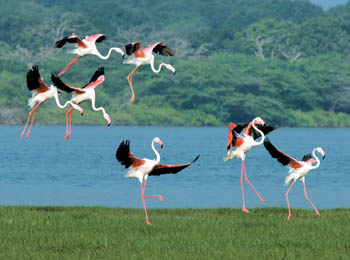
The lagoons, inter tidal mud-flats and slatterns provide ideal resting and feeding habitants for numerous species. Migrants arrive here in mid-August with the commencement of the harsh winter and continue to stay in Bundala until late April.
The Bundala National
Park is located about 250km south east of Colombo in the Hambantota District.
Park covers the area of 6,216 ha in Arid Zone of Sri Lanka, the climate
classified as hot and dry. Record of the mammals in Bundala is 32 species,
including 1 endemic and 5 threatened species.
Kumana National Park covers an area of about 18, 149 hectare of land. It is located in the south-east part of Sri Lanka. This bird sanctuary is an attraction for bird watchers. This national park was previously known as the Yala East National Park and it came to be known by its present name from September 5, 2006.
The park was reopened in March 2003 after it was closed since 1985 due to Civil War in Sri Lanka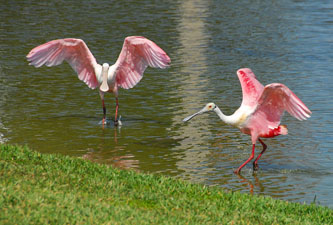
There is a swamp lake of about 200 hectare known as Kumana Villu in Kumana National Park. During the months of May and June numerous species of water birds nest around the swampy area.At Kumana National Park, birds like herons, egrets, white ibis, spoonbills, painted storks and pelicans can be easily spotted in Kumana National Park. Very rare species of black necked storks, great thick knee, Eurasian spoonbill etc are also found in this national park of Sri Lanka.
 The fauna of Kumana National Park is mainly of mangrove variety. Kumbuk trees and karan fern trees also grow in this region.
Wilpattu National Park (Willu-pattu; Land of Lakes) is a park located on the island of Sri Lanka. The unique feature of this park is the existence of “Willus” (Natural lakes) - Natural, sand-rimmed water basins or depressions that fill with rainwater.
Located in the Northwest coast lowland dry zone of Sri Lanka. The park is
located 30km west Anuradhapura and located 26 km north of Puttalam
(approximately 180 km north of Colombo). The park is 131, 693 hectares and
ranges from 0 to 152 meters above sea level. Nearly sixty lakes (Willu) and
tanks are found spread throughout Wilpattu. Wilpattu is one of the largest and
oldest National Parks in Sri Lanka. Wilpattu is among the top national parks
world renowned for its Leopard (Panthera pardus kotiya) population.

This park is situated thirty kilometres west of Anuradhapura near the Nochchiyagama area. It bordered to the north by Modaragam Aru (river) and to the south by the Kala Oya (river) and to the west by the Indian Ocean.
|
Y |
ala national park, one of the best known reserves in the island covers 1360 square kilometers. 19 kilometers of sea coast covering unspoiled natural beaches belong to this natural resource situated in Hambantota district.

The climate in the area is usual ly hot and dry. North east monsoon rain from November to January and inter monsoonal rains in March to April feed the Manik ganga which provides water to the par .Tanks and natural water holes in the park also are able to hold this rain water for use of animals there. Extensive grassland surrounding these tanks and water holes feed most herbivores there.
One who visits this national park can enjoy himself by watching so many animals such as elephants, leopards, deer, samburs, hog deer, and grey monkeys. In addition different reptiles,
crocodiles and tortoises enhance the loveliness of the park. Many varieties of multi colored wild flowers double the beauty of environment .Large numbers local and foreign tourists often visit this place. The experience they get there is ever unforgettable.
Tsunami which came to Sri Lanka in 2004 caused certain changes in the environment. But no animals living there were harmed. However one who visit this place today can not see even a single sign of the influence of tsunami. Nature has recovered everything.
